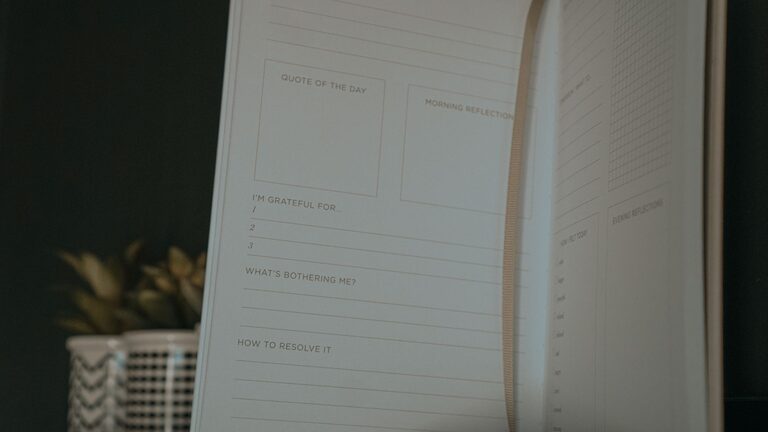
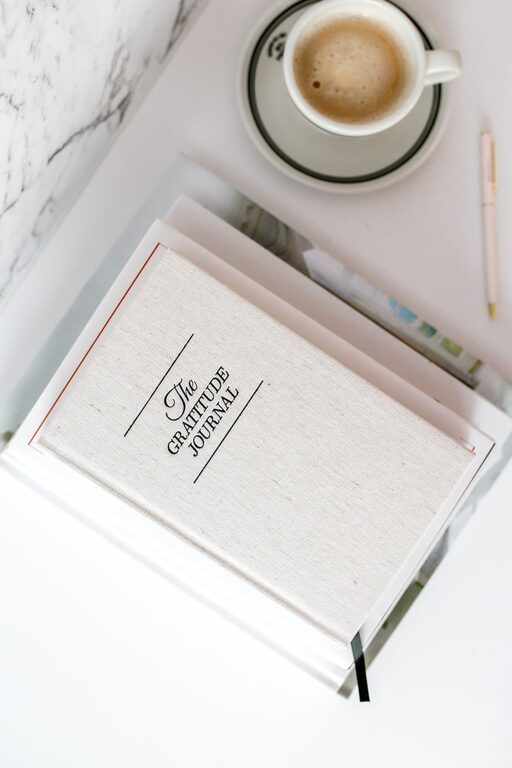
Starting a gratitude journal is a simple way to pause, reflect, and notice the good things in everyday life. You do not need special writing skills, a perfect routine, or a beautifully designed notebook. All you need is a few quiet minutes and a willingness to pay attention.
A gratitude journal can be as structured or flexible as you like. Some people write several detailed paragraphs, while others list three brief observations. The most important part is choosing an approach that feels realistic enough to continue.
What Is a Gratitude Journal?
A gratitude journal is a notebook, document, or app where you regularly record things you appreciate. These might include major events, such as receiving good news, or small moments, such as enjoying a warm drink or hearing from a friend.
The goal is not to pretend that every day is perfect. Instead, journalling gives you a chance to recognize positive moments alongside the ordinary challenges of life. Your entries can be thoughtful, practical, funny, or brief.
Choose Your Journalling Format
Before you begin, decide where you would like to write. The best format is the one you are most likely to use consistently.
- Paper notebook: A notebook creates a screen-free space for writing and can make the practice feel more personal.
- Digital document: A notes app or document is convenient if you usually have your phone or computer nearby.
- Journalling app: An app may offer reminders, prompts, or space to add photos.
- Calendar method: Write one short sentence in a calendar each day.
- Voice notes: Record a brief spoken reflection if writing feels inconvenient.
You can also combine formats. For example, you might write in a notebook during the week and keep a digital list while travelling.
Set a Simple Routine
A regular routine makes journalling easier to remember. Start with a small commitment rather than an ambitious plan. Writing for two to five minutes is enough to begin.
Pick a time that fits your day
Many people write in the morning, before bed, or during a lunch break. Consider when you are usually calm and have a few uninterrupted minutes. You could connect journalling to an existing habit, such as drinking coffee, brushing your teeth, or preparing for sleep.
Choose a realistic frequency
Daily journalling works well for some people, but it is not the only option. You might write:
- Every morning
- Every evening
- Three times a week
- Once a week with a longer reflection
- Whenever you need time to slow down
Consistency matters more than frequency. If you miss a day, simply continue the next time you can. There is no need to restart or fill in every missed entry.
What Should You Write About?
Begin with specific details rather than broad statements. Instead of writing “I am grateful for my family,” consider what you appreciated about a particular person or moment. For example, you might write, “I appreciated my sister calling to ask how my presentation went.”
Specific details make entries easier to remember and give you more to reflect on later. Try including one or more of the following:
- A person who helped, encouraged, or entertained you
- A small comfort, such as a warm meal or a quiet room
- A useful opportunity or lesson
- Something in nature, such as fresh air or a colourful sunset
- A personal quality you used during the day
- A task you completed
- A memory that brought you happiness
- Something you are looking forward to
Use Gratitude Journal Prompts
Prompts are helpful when you are unsure what to write. Keep a list in the front of your notebook or save it on your phone. Here are some ideas to get you started:
- What made me smile today?
- Who made my day a little easier?
- What is one ordinary thing I often overlook?
- What part of my home feels comforting?
- What did I enjoy using, eating, hearing, or seeing today?
- What is something I learned recently?
- What challenge helped me discover a useful skill?
- What is one kind thing I can do for myself today?
- What place makes me feel relaxed or welcome?
- What am I looking forward to this week?
You do not have to answer a new prompt every day. Repeating a favourite question can help you notice how your answers change over time.
Keep Your Entries Honest
A gratitude journal should feel genuine, not like a daily assignment to find something positive at any cost. Some days may be tiring, disappointing, or frustrating. On those days, you can write about a small source of comfort or simply acknowledge that you made it through a difficult moment.
For example, an entry might say, “Today was difficult, but I was thankful for the quiet walk home.” This approach leaves room for your full experience while still noticing something meaningful.
Avoid comparing your list with someone else’s. Gratitude is personal. A simple entry about clean sheets, a helpful colleague, or a favourite song is just as valid as a major life event.
Make Your Journal Easy to Continue
Small design choices can remove common obstacles. Try these practical ideas:
- Keep your notebook beside your bed or another visible spot.
- Use a pen that feels comfortable to write with.
- Set a gentle reminder on your phone.
- Leave a few blank pages for lists or longer reflections.
- Write only one sentence when you are short on time.
- Keep your journal private if that helps you write honestly.
- Review older entries occasionally, rather than every day.
You can also create a minimum version of the habit. On busy days, write one word or phrase. For instance, “sunshine,” “a good conversation,” or “finished the laundry” can be enough to maintain your routine.
Try Different Journalling Styles
There is no single correct way to keep a gratitude journal. Experiment with different styles until you find one that suits you.
Three-item list
Write three things you appreciated that day. Add a short reason for each one if you have time.
One detailed entry
Choose one moment and describe what happened, who was involved, and why it mattered to you.
Gratitude letters
Write a letter to someone who has influenced or supported you. You do not have to send it. The exercise can help you express thoughts you might not usually share.
Weekly review
At the end of each week, look back at your entries and note recurring themes. You might notice that time outdoors, creative activities, or conversations with friends appear often.
Give Yourself Time to Find Your Style
Your journal does not need to look polished or follow a strict format. It can include lists, sketches, questions, quotations, ticket stubs, or photos. The purpose is to create a record of moments you want to notice and remember.
Start with a notebook or app, choose a manageable schedule, and write one honest entry. Over time, your gratitude journal can become a welcoming place to slow down and pay attention to the everyday details that make life feel meaningful.