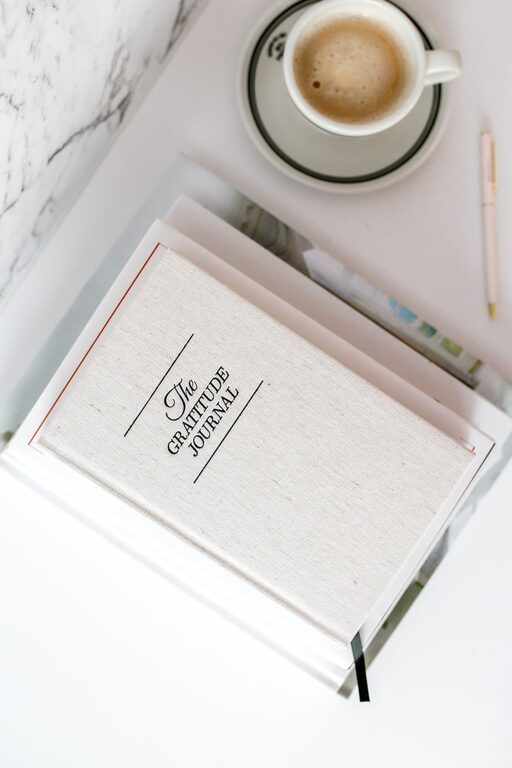
Journaling is a simple practice that can help you slow down, organize your thoughts, and pay closer attention to your daily life. It does not require perfect writing, a special notebook, or a large amount of free time. A few honest sentences can be enough.
If you are new to journaling, the most important step is to make the practice easy to begin and easy to repeat. This beginner-friendly guide explains how to start journaling every day, what to write about, and how to keep going when your motivation fades.
What Is Daily Journaling?
Daily journaling means setting aside regular time to write about your thoughts, experiences, plans, or observations. Some people write in the morning, while others prefer to reflect at night. There is no single correct approach.
Your journal might include:
– A description of your day
– A list of things you appreciate
– Your goals and priorities
– Questions you are considering
– Ideas for a project
– A record of a memorable moment
– A few sentences about how you feel
Journaling is a private space, so it does not need to follow formal writing rules. You do not have to create polished paragraphs or make every entry meaningful. The goal is simply to write honestly and regularly.
Choose a Journaling Method
Before you begin, choose a format that feels comfortable. The best method is the one you are likely to use.
Paper journal
A notebook and pen are classic choices. Writing by hand can feel calming and gives your journaling routine a clear beginning and end. Choose a notebook that is pleasant to use, but do not feel that it needs to be expensive or carefully designed.
Digital journal
A notes app, document, or journaling app can be convenient if you already spend time on your phone or computer. Digital journaling also makes it easy to search old entries and add longer thoughts when you have more time.
Guided journal
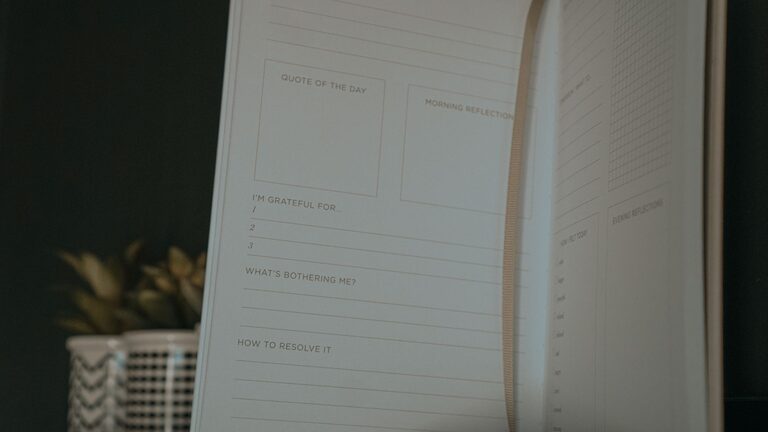
A guided journal includes prompts or sections to help you get started. This can be useful if you often stare at a blank page without knowing what to write.
Simple log
A daily log is a short record of what happened. You might list the date, your main task, one enjoyable moment, and something you want to remember. This approach is ideal if you prefer short entries.
Start With Five Minutes
Many people make journaling harder than it needs to be. They imagine writing several pages each day, then stop when they cannot find enough time.
Instead, begin with five minutes. Set a timer if that helps, and write without worrying about length. You might fill half a page, write three sentences, or make a short list. All of these count.
A small routine is easier to maintain than an ambitious one. Once journaling becomes familiar, you can decide whether you want to write for longer.
Pick a Regular Time
A consistent time makes journaling easier to remember. Connect it to something you already do, such as drinking your morning coffee, eating lunch, or getting ready for bed.
Consider these options:
– Morning: Write about your priorities, expectations, or plans.
– Midday: Pause to review what is going well and what needs attention.
– Evening: Reflect on the day and note anything you want to remember.
– After a regular activity: Journal after a walk, workout, or quiet cup of tea.
Your schedule may not look the same every day. If you miss your usual time, simply choose another time rather than abandoning the practice.
Use Simple Prompts
Prompts can make a blank page feel less intimidating. You can use the same prompt every day or choose a different one depending on your mood.
Try these questions:
– What is on my mind today?
– What would make today feel worthwhile?
– What is one thing I am looking forward to?
– What did I notice today?
– What was easy, and what was challenging?
– What did I learn?
– What is one small step I can take tomorrow?
– What made me smile?
– What do I want to remember about today?
– What am I curious about right now?
You do not need to answer every question. Choose one and write the first response that comes to mind.
Try a Basic Daily Template
A repeatable template can help you build momentum. For example:
Date:
How I am feeling:
Today’s priority:
Something I appreciate:
A thought I want to remember:
Tomorrow’s first step:
This structure takes only a few minutes and covers both reflection and planning. You can adjust it as your needs change.
Write Honestly, Not Perfectly
A journal is not a school assignment. You do not need perfect grammar, impressive vocabulary, or a clear conclusion. Write in a way that feels natural.
If you are unsure what to say, begin with a sentence such as:
– “Right now, I am thinking about…”
– “The main thing on my mind is…”
– “Today felt different because…”
– “I keep coming back to…”
– “If I am honest, I…”
– “One thing I do not want to forget is…”
Let your writing be unfinished or repetitive. The value of journaling often comes from noticing your thoughts as they are, not from making them sound polished.
Keep Your Journal Easy to Reach
Your surroundings can influence whether you remember to write. Keep your notebook and pen beside your bed, on your desk, or near another place you visit often. If you use a digital journal, place the app somewhere easy to find.
You can also prepare your space by:
– Keeping a comfortable pen nearby
– Choosing a quiet corner
– Setting a gentle reminder
– Leaving your journal open to a blank page
– Writing before checking messages or social media
The fewer steps between you and your journal, the easier it is to begin.
What to Do When You Miss a Day
Missing a day does not mean you have failed. Daily habits are built over time, and interruptions are normal. Avoid spending too much energy trying to make up for missed entries.
When you return, you can write:
– “I missed yesterday because…”
– “The past few days have been…”
– “Today I am starting again with…”
– “The most important thing to record is…”
You do not need to explain the gap in detail. Simply continue with the current day.
Review Your Entries Occasionally
Journaling is mainly about the present, but looking back can also be useful. Once a week or month, read a few older entries and notice patterns.
You might ask:
– What topics appear often?
– What activities give me energy?
– Which goals still matter to me?
– What have I learned recently?
– Have my priorities changed?
– What progress do I want to acknowledge?
Reviewing your entries can help you recognize details that are easy to miss during a busy week. You may also discover ideas worth developing or routines worth changing.
Make Journaling Your Own
There are many ways to journal, and your method can change over time. You might combine written entries with sketches, lists, photographs, quotations, or simple charts. You can write several pages on one day and only a few words on another.
The best daily journal is not the most beautiful or detailed one. It is the one that fits your life well enough to keep using.
Start with a notebook, five minutes, and one honest sentence. With regular practice, journaling can become a dependable pause in your day—a place to reflect, plan, notice, and remember.