
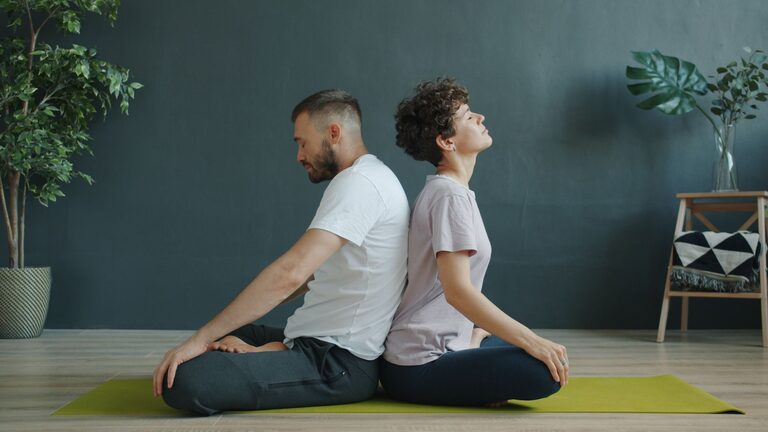
Mindful breathing breaks are simple pauses that help you reconnect with the present moment. They do not require special equipment, a quiet room, or a large amount of time. Even one or two minutes can create a useful transition between tasks.
The goal is not to breathe perfectly or force yourself to feel calm. Instead, mindful breathing means noticing your breath as it is, then gently guiding your attention back whenever your mind wanders. With regular practice, these short breaks can become an easy part of your daily routine.
What Is a Mindful Breathing Break?
A mindful breathing break is a brief period when you pause and pay attention to your breathing. You might notice the air moving through your nose, the rise and fall of your chest, or the movement of your belly.
Unlike complicated breathing exercises, mindful breathing does not need to follow a strict pattern. You can simply observe your natural breathing or make your exhales slightly longer than your inhales, as long as the practice feels comfortable.
A breathing break can last:
– Thirty seconds between tasks
– Two minutes during a busy workday
– Five minutes before starting an activity
– Several quiet breaths while waiting in line
The most important part is making a deliberate pause.
Start With a Comfortable Position
You can practise mindful breathing almost anywhere. Choose a position that allows you to stay alert and relaxed.
Try one of these options:
– Sit in a chair with both feet on the floor.
– Stand with your shoulders relaxed.
– Sit on a bench or sofa with your hands resting comfortably.
– Lie down if you are practising before sleep or during a quiet break.
You do not need to sit in a special pose. Let your back be comfortably upright without becoming stiff. Soften your shoulders, unclench your jaw, and allow your hands to rest.
If closing your eyes feels distracting, keep them open and look gently at one spot. The aim is to feel present, not to create a particular appearance.
Begin With Natural Breathing
When you first start, avoid trying to change your breathing immediately. Spend a few moments noticing what is already happening.
You might ask yourself:
– Is my breath fast or slow?
– Does it feel shallow or full?
– Where do I notice the movement most clearly?
– Is my breathing smooth, uneven, warm, or cool?
There is no correct answer. These questions are simply ways to focus your attention. Observe your breathing without judging it or trying to improve it.
After a few breaths, you can allow your breathing to become a little slower and easier. Do not force a deep breath. A comfortable, natural breath is enough.
Try a Simple One-Minute Practice
A short routine can make mindful breathing easier to remember. Use this one-minute practice whenever you need a pause.
Step 1: Pause
Stop what you are doing, if possible. Put down your phone, step away from your keyboard, or simply remain still for a moment.
Step 2: Notice
Bring your attention to the physical feeling of breathing. Choose one place to focus, such as your nostrils, chest, or abdomen.
Step 3: Follow
Notice one complete inhale and one complete exhale. Continue for several comfortable breaths.
Step 4: Return
When your mind wanders, gently bring your attention back to the next breath. There is no need to criticize yourself. Noticing that your attention has wandered is part of the practice.
Step 5: Continue
After about one minute, notice how you feel. You do not need to feel dramatically different. A small sense of space or awareness is enough.
Use Your Exhale as an Anchor
Many beginners find it easier to focus on the exhale. It can feel natural to let your shoulders soften as the breath leaves your body.
Try this:
- Breathe in comfortably.
- Let the breath out without pushing.
- Notice the pause before the next inhale.
- Repeat for several breaths.
You can also silently count each exhale from one to five, then begin again. Counting gives your mind a simple task and may help you stay focused.
If counting becomes distracting, return to the physical sensation of breathing instead. There is no single method that works for everyone.
Fit Breaks Into Everyday Moments
The easiest way to build a habit is to connect mindful breathing with something you already do. This is sometimes called using a routine reminder.
Consider taking a few mindful breaths:
– Before opening your email
– After finishing a meeting
– While waiting for water to boil
– Before beginning a commute
– When moving from work to personal time
– Before eating a meal
– After setting an alarm at night
– While waiting for a webpage or file to load
These moments are useful because they happen regularly. Rather than relying on motivation, let the existing activity remind you to pause.
You can also set a gentle reminder on your phone or computer. Keep the reminder simple, such as “Pause and breathe.” If notifications become annoying, remove them and choose a visual cue instead, like a note near your desk.
Keep the Practice Manageable
A common beginner mistake is starting with an ambitious routine. You may decide to practise for 20 minutes every day, miss a few sessions, and then give up. Shorter practices are often easier to maintain.
Start with one of these options:
– Three breaths before a regular activity
– One minute once a day
– Two minutes during a work break
– Three short pauses spread throughout the day
Consistency matters more than duration. A brief practice that fits your schedule is more useful than a long session you rarely repeat.
If you miss a day, simply begin again at the next opportunity. Mindful breathing is not a test, and there is no need to make up for missed practice.
Work With a Wandering Mind
Your attention will wander. You may think about a conversation, a deadline, a sound, or something you need to buy. This is normal.
When you notice that your mind has moved away from the breath, try these three steps:
- Recognize the distraction.
- Let the thought be there without following it.
- Return gently to the next breath.
Avoid turning the practice into a struggle. The purpose is not to eliminate thoughts. It is to practise noticing where your attention is and choosing where to place it next.
Make Comfort a Priority
Breathing should feel easy and unforced. Do not hold your breath, breathe far more deeply than usual, or follow a technique that makes you uncomfortable. If you feel light-headed, strained, or uneasy, stop and return to normal breathing. You can also open your eyes, change position, or end the break.
Mindful breathing should support your day, not become another source of pressure. Choose a quiet, comfortable approach that suits you.
Build a Personal Routine
After trying a few methods, notice what works best. You may prefer breathing breaks at your desk, during outdoor walks, or in the evening. You may enjoy counting breaths, following natural breathing, or focusing on the movement of your body.
Keep your routine straightforward:
– Choose one regular time.
– Start with one or two minutes.
– Use a familiar reminder.
– Practise without judging the results.
– Adjust the routine when your schedule changes.
Over time, these small pauses can become a practical way to create space between activities. Mindful breathing does not require a perfect setting. It begins with noticing one breath, then giving yourself permission to pause before moving on.