
Plants are one of the easiest ways to refresh your home. They add colour, texture, and natural character without requiring a major renovation. Whether you have a bright sunroom or a small apartment with limited light, the right plants and containers can make your space feel more welcoming.
A successful indoor plant display is about more than choosing attractive greenery. Consider your room’s light, temperature, available space, and your daily routine. With a little planning, you can create a plant-filled home that looks beautiful and remains easy to care for.
Start by Choosing the Right Location
Before buying plants, take a walk through your home and notice where natural light falls throughout the day. A spot that looks bright in the morning may be shaded by the afternoon, while a sunny window may receive strong direct light for several hours.
Use these general guidelines when choosing a location:
- Bright, direct light: Ideal for many succulents, cacti, and sun-loving plants.
- Bright, indirect light: Suitable for popular houseplants such as pothos, rubber plants, and many varieties of philodendron.
- Low light: Look for tolerant plants such as snake plants, cast iron plants, or some types of ZZ plants.
- Cool or draughty areas: Keep plants away from exterior doors, cold windows, and heating vents whenever possible.
Try not to place plants directly against cold glass in winter or beside a radiator. Sudden temperature changes can make it harder for plants to thrive.
Refresh a Room with Plant Groupings
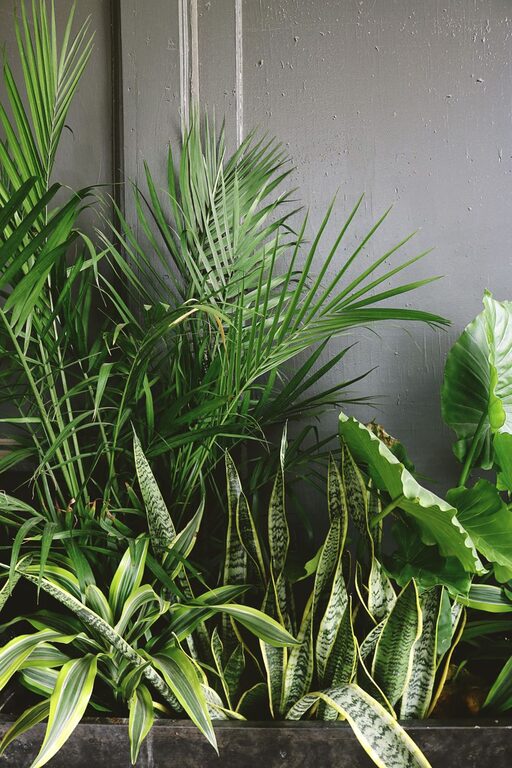
One plant can add a pleasant touch, but grouping several plants together often creates a stronger visual effect. A collection can make an empty corner feel intentional and bring softness to rooms with hard surfaces, such as kitchens, offices, and entryways.
Vary the Heights
Use a combination of floor plants, tabletop plants, and hanging plants to create depth. A tall plant can fill an unused corner, while smaller plants can decorate a shelf, side table, or windowsill.
Plant stands are especially useful because they lift greenery closer to eye level and prevent every plant from sitting on the floor. Choose stands in materials that suit your room, such as wood for a warm look or metal for a cleaner, modern style.
Mix Shapes and Textures
Combine plants with different leaf shapes for a more interesting display. Large, broad leaves can be balanced with fine, delicate foliage or trailing vines. You can also use plants with varied shades of green to add contrast without overwhelming the room.
For a cohesive arrangement, repeat one element across the group. This might be a similar pot colour, a shared material, or a consistent plant shape. Repetition helps the display feel organised rather than cluttered.
Choose Containers That Suit Your Style
Plant pots are part of your home decor, so they deserve as much attention as the plants themselves. A simple plant can look completely different in a ceramic pot, a woven basket, or a coloured container.
Consider these options:
- Neutral ceramic pots: A versatile choice for minimalist or traditional rooms.
- Textured containers: Add interest to a simple plant display.
- Woven baskets: Bring warmth and a relaxed feel to living rooms and bedrooms.
- Coloured pots: Introduce a small accent colour without repainting the room.
- Hanging planters: Make use of vertical space in compact homes.
Always check that a pot has drainage or that the plant is placed in a suitable inner container. Excess water can collect at the bottom of a pot and damage the roots. If you use a decorative cover pot without drainage, remove the inner pot when watering and allow it to drain fully before returning it.
Use Plants to Define Different Areas
Plants can help organise an open-plan home without blocking light or making the space feel closed in. A tall plant or a row of medium-sized plants can visually separate a living area from a dining space or home office.
In an entryway, a sturdy plant can create a welcoming first impression. In a home office, a small plant on the desk or a shelf can make the work area feel more comfortable. In the kitchen, herbs in small pots can add freshness while keeping useful ingredients close at hand.
For bedrooms, choose plants that suit the available light and do not take up valuable floor space. A small plant on a dresser or a hanging planter can add greenery without making the room feel crowded.
Make a Small Space Feel Fresh
You do not need a large home or a conservatory to enjoy plants. In a compact space, think vertically and use areas that are often overlooked.
- Place a narrow plant stand beside a sofa or armchair.
- Use a wall shelf for small pots and trailing plants.
- Hang planters near a bright window, making sure they are securely installed.
- Decorate a bathroom shelf with plants that suit warm, humid conditions.
- Use a windowsill for a small collection of herbs or compact foliage plants.
Keep walkways, radiators, and frequently used surfaces clear. A few carefully placed plants usually have more impact than a crowded collection.
Create a Simple Plant Care Routine
The best-looking plant display is one that you can maintain. Before bringing home a new plant, check its basic care requirements and decide whether they fit your routine.
Water Thoughtfully
Rather than watering every plant on the same schedule, check the soil first. Many houseplants prefer the top layer of soil to dry slightly between waterings. Push a finger gently into the soil or use a moisture meter if you are unsure.
Water slowly until a small amount drains from the bottom, then empty any excess water from the saucer. Always follow the care instructions for the specific plant, as watering needs vary.
Keep Leaves Clean
Dust can collect on leaves and make them look dull. Wipe broad leaves gently with a soft, damp cloth. For smaller or delicate leaves, a light rinse may be more suitable, provided the plant can dry in a warm area away from cold draughts.
Rotate Plants Regularly
Plants often grow towards a light source. Turn pots a little every week or two to encourage more even growth. This simple habit can also help keep your display looking balanced.
Refresh Your Display with the Seasons
Changing a few details through the year can keep your plant display feeling fresh. In spring and summer, move plants closer to suitable windows if they need more light. You can also introduce herbs, flowering plants, or brighter containers.
In autumn and winter, bring outdoor plants indoors before temperatures drop too far. Check them for insects and clean the leaves before placing them near your other plants. You may also need to reduce watering if growth slows during the darker months.
Seasonal updates do not require buying new plants. Try changing the arrangement, swapping containers, adding a new plant stand, or moving a trailing plant to a different shelf.
Keep the Look Balanced
When styling plants, consider the overall shape of the room. Tall plants can balance low furniture, while trailing plants soften shelves and corners. Leave some open space around each group so the greenery remains easy to appreciate.
Choose plants that complement your existing colours and materials. Green foliage works well with wood, stone, glass, and natural fabrics, while pots can echo colours already found in cushions, artwork, or rugs.
With the right locations, containers, and care routine, plants can transform the atmosphere of your home. Start with one or two suitable varieties, build your display gradually, and let your space guide the arrangement. A thoughtful mix of greenery can make any room feel brighter, calmer, and more inviting.